
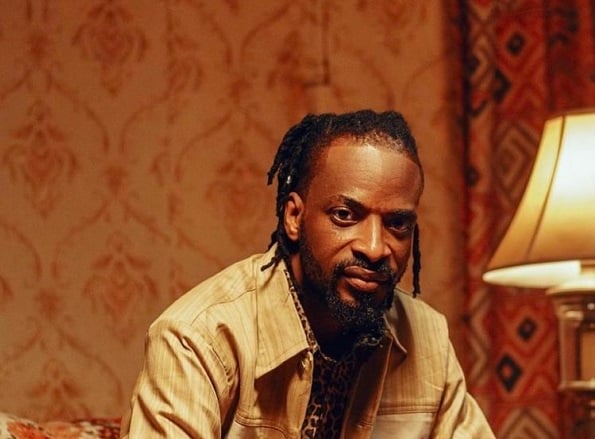
Veteran Nigerian singer 9ice has sparked intense reactions online after revealing that he does not pray for his parents, a statement that has left many Nigerians stunned and triggered a wave of debate across social media.
The singer made the revelation during a recent conversation, explaining that his perspective is rooted in his personal understanding of spirituality and the responsibilities that exist between parents and their children.
Almost immediately, clips of the interview began making the rounds online, with many Nigerians expressing surprise at a viewpoint that appears to challenge one of the country’s deeply held cultural and religious values.
In a nation where prayers for parents are often considered both a moral obligation and a spiritual duty, 9ice’s comments struck a nerve.
For generations, Nigerians have been taught to honor their parents not only through their actions but also through prayers for their health, protection, and long life. It is a tradition deeply woven into family life, regardless of religious background.
That is why many social media users were quick to react.
Some criticized the singer, arguing that no matter the circumstances, parents deserve prayers and goodwill from their children. Others described his comments as insensitive and contrary to values many Nigerians hold dear.
However, not everyone disagreed with the musician.
A number of social media users defended 9ice, saying his comments may have been shaped by personal experiences that the public is not fully aware of. Others argued that people should be free to express their beliefs without being subjected to widespread condemnation.
As reactions continued to pour in, the conversation quickly evolved beyond the singer himself.
The debate began raising broader questions about family relationships, expectations, and the realities that exist behind closed doors.
Should children be expected to pray for their parents regardless of their experiences growing up?
Can difficult family histories influence how people approach their responsibilities toward their parents?
And should personal beliefs be judged through the lens of cultural expectations?
These questions have since dominated conversations on X, Facebook, Instagram, and other social media platforms, with Nigerians passionately sharing their opinions.
For many observers, the controversy highlights how celebrity comments often become catalysts for larger societal discussions.
While 9ice may have been speaking from a personal perspective, his remarks have opened up a wider conversation about family dynamics, faith, and the different ways people interpret their obligations to those who raised them.
As the debate continues to trend online, one thing is certain: 9ice’s statement has become far more than a celebrity headline.
It has become a national conversation.
Whether Nigerians agree with him or not, the singer has succeeded in getting people to reflect on a subject that is both deeply personal and deeply cultural.
And judging by the thousands of reactions online, the discussion is far from over.