


Author: Digital Innovation and Technology Department
Compiled by: Malami Haruna Dogon Daji
Title: Nigeria Unveils Zinc Fortified Rice to Tackle Hidden Hunger.
Description: Nigeria launches zinc biofortified rice from NCRI Badeggi to improve nutrition, strengthen food security, and drive agriculture-led health outcomes.
Executive Summary
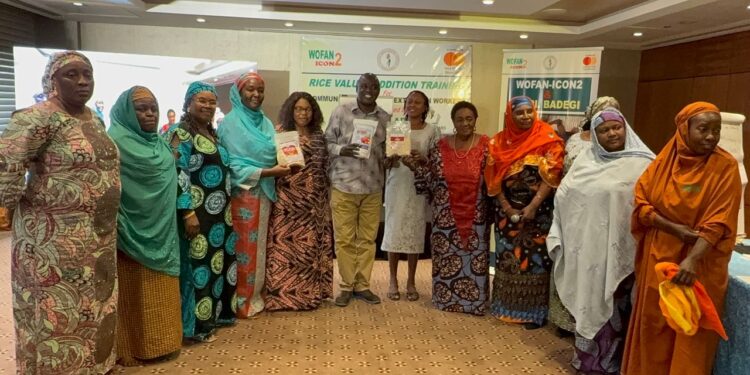
Nigeria has unveiled zinc fortified rice developed by the National Cereals Research Institute, Badeggi, marking a major step toward improving nutrition and strengthening food security. Critically, this development confirms Nigeria’s position as the pioneer of Africa’s first zinc biofortified rice varieties, a milestone backed by agricultural research and national policy direction.
The innovation addresses widespread micronutrient deficiency by enriching a widely consumed staple with essential nutrients, transforming everyday food into a vehicle for better health outcomes.
Key Takeaways
- Zinc deficiency remains a major public health concern in Nigeria
- Biofortified rice provides a practical nutrition solution through everyday diets
- NCRI Badeggi is leading innovation in nutrition sensitive agriculture
- Adoption by farmers and awareness among consumers will determine the impact.
Event Overview
The unveiling ceremony took place in Sosa, Lavun Local Government Area of Niger State, with the Minister of State for Agriculture in attendance. Also present were researchers, policymakers, development partners, and farmers.
The event highlighted the growing importance of linking agricultural production with nutritional outcomes as part of Nigeria’s broader development strategy.
Why Zinc Fortified Rice Matters
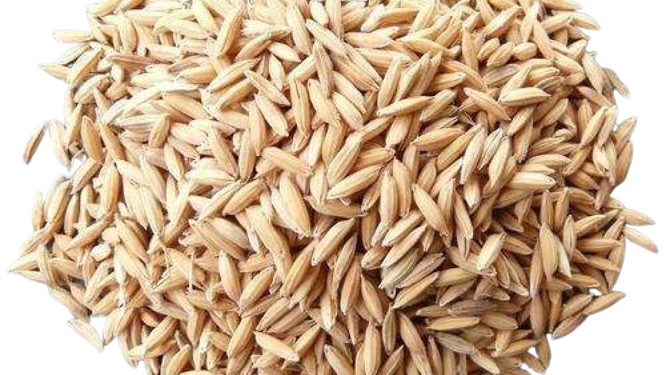
Zinc deficiency contributes to weakened immunity, poor growth in children, and increased susceptibility to disease. Since rice is widely consumed across Nigeria, enriching it with zinc provides a direct and scalable way to improve public health.
Unlike supplements or dietary changes that require behavioral shifts, biofortified rice integrates nutrition into existing eating habits.
Linking Agriculture to Nutrition
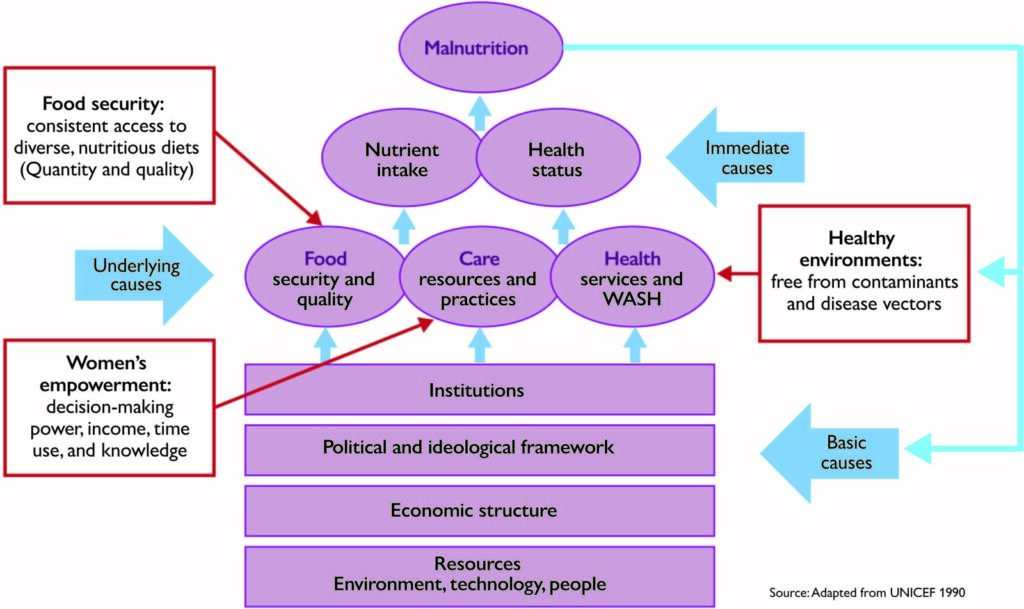
Nigeria is shifting from focusing only on food production to prioritizing food quality. Nutrition sensitive agriculture ensures that what is grown and consumed improves health outcomes.
Zinc fortified rice represents this shift by connecting agricultural innovation directly to human well-being.
Institutional Leadership: NCRI Badeggi
The National Cereals Research Institute has played a central role in developing improved crop varieties in Nigeria. Its work on zinc biofortified rice demonstrates the power of research driven solutions in addressing national challenges.
Notably, NCRI is credited with developing Africa’s first zinc biofortified rice varieties (FARO 71 and FARO 72). This is not a claim of aspiration but an established milestone in agricultural science within the continent, placing Nigeria at the forefront of nutrition sensitive crop innovation.
The institute’s innovation supports both productivity and nutrition, making it a key contributor to sustainable development.
Implications for Farmers and Consumers
For Farmers:
- Access to high value, nutritionally enhanced crop varieties
- Potential for improved income with the right market support
For Consumers:
- Better nutrition without changing dietary habits
- Improved health outcomes, especially for vulnerable groups
Strategic Importance for Nigeria
The initiative aligns with national goals of food sovereignty and reduced dependence on imports. It also positions Nigeria as a leader in biofortification efforts across Africa.
With the development of Africa’s first zinc biofortified rice varieties, Nigeria is not only addressing domestic nutrition challenges but also contributing to continental solutions in food and nutrition security.
By investing in nutrient rich crops, Nigeria is addressing both food availability and food quality.
Fact Check: Verified Evidence on Zinc Fortified Rice
| Key Issue | Verified Fact | Why It Matters |
|---|---|---|
| Zinc deficiency in Nigeria | Around 37 percent of children under five are stunted and about 68 percent suffer from anaemia linked to micronutrient deficiencies | Shows urgency of nutrition interventions |
| Global burden | Zinc deficiency affects up to 2 billion people worldwide | Aligns Nigeria with global nutrition priorities |
| Conventional rice limits | Most rice varieties contain low zinc levels | Explains need for biofortification |
| Biofortification impact | Zinc rice can provide up to 40 percent of daily zinc needs | Confirms effectiveness of solution |
| Nigeria’s leadership | NCRI developed Africa’s first zinc biofortified rice varieties (FARO 71 and FARO 72) | Establishes Nigeria as the continental pioneer in zinc rice innovation |